Thread Lift Results Last 12 to 18 Months – What Happens After?
Thread lifts have surged in popularity as a minimally-invasive alternative to surgical facelifts, promising structural lifting with little downtime. But if you've done your homework, you know the results aren't forever. Typically, thread lift results last between 12 to 18 months.
So, what happens after the threads dissolve? Can you maintain the effect? And how do treatments like Ultherapy and Ultherapy Prime fit into your maintenance routine? This post breaks down the layers we treat, technologies used, and the "touch up" timeline—plus why you see non-transparent pricing on websites.
Understanding What’s Actually Being Treated
Before we talk results fading or touch-ups, it helps to understand the skin and tissue layers we're working with:
- Surface Tightening: Targets the epidermis or very superficial dermis – mainly skin texture and minor sagging.
- Dermal Tightening: Focuses on collagen-rich mid-dermis, stimulating new collagen formation for firmer skin.
- Structural Lifting: Refers to lifting deeper layers, especially the SMAS ( Superficial Musculoaponeurotic System) layer, the fibrous network beneath fat that provides facial contour.
Key question: What layer are we actually treating? Thread lifts primarily target the SMAS layer to physically lift tissue, while Ultherapy and RF treatments play different roles as we’ll see.
Thread Lifts: The Basics
Thread lifts involve inserting absorbable sutures with tiny barbs or cones under the skin that physically "hook" tissue and lift it upward. The threads then gradually dissolve over 12 to 18 months, while prompting collagen production in the surrounding tissue.
Feature Thread Lifts Ultherapy Ultherapy Prime Primary Action Physical lift by threads + collagen stimulation Focused ultrasound stimulates deep tightening (SMAS) Enhanced ultrasound + radiofrequency (RF) for deeper, more uniform heating Target Layer SMAS mainly SMAS & deep dermis SMAS, deep dermis + volume Downtime Bruising, soreness 3-7 days Minimal swelling, redness Similar to Ultherapy, sometimes quicker healing Results Fade Timeline 12–18 months (threads dissolve) 12 to 24 months (gradual collagen maturation) 16 to 24 monthsWhy Results Fade After 12 to 18 Months
Thread lifts are made of materials like PLLA or PDO that stimulate collagen but ultimately dissolve entirely, removing the physical scaffold lifting the tissue. Even the collagen framework remodels and fades over time, so the visible lifting effect diminishes.

- Threads dissolve: After they break down, the immediate "hook" holding tissue up goes away.
- Collagen remodeling: New collagen initially firms the skin but is metabolically replaced and becomes less dense over time.
- Natural ageing: Time continues to decrease collagen production and skin elasticity.
- Gravity: Persistent force pulling tissues downward.
This explains the typical results fade timeline of 12 to 18 months despite initial improvements.
What Happens After Threads Dissolve?
Most patients notice subtle sagging creeping back after 12 to 18 months, especially if no maintenance treatments follow. It’s a common misconception to expect permanent changes from one thread lift.
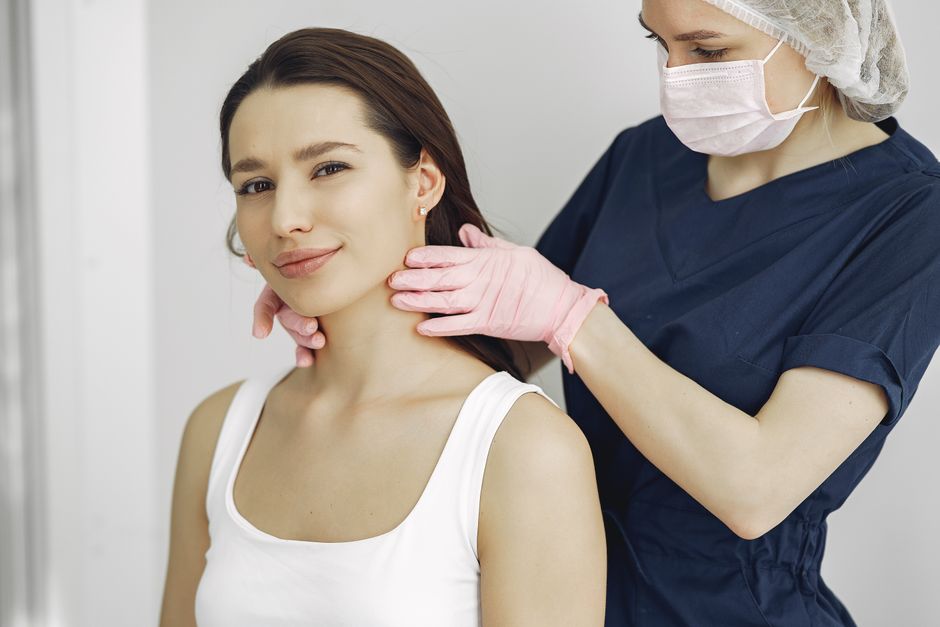
Here’s what you can do:
- Touch-up treatments: Repeat thread lifts can be done, though tissue condition and scarring can limit options.
- Complementary non-invasive lifting: Devices like Ultherapy or Ultherapy Prime can tighten deep layers non-surgically to prolong effects.
- Skincare focus: Use topical collagen boosters, retinoids, sun protection to support skin health.
Ultherapy and Ultherapy Prime: Non-invasive Alternatives and Maintenance
Both Ultherapy and Ultherapy Prime use micro-focused ultrasound (MFU) technology that heats targeted deep tissue layers to induce collagen remodeling. Key features include:
- Real-time imaging: The MFU-V handpiece allows clinicians to visualize the exact skin layers being treated for precision.
- Depth targeting: Ability to treat at multiple depths, including 4.5 mm reaching the SMAS, mimicking surgical facelift effect without incisions.
- SMAS relevance: Targeting this layer is vital since it gives structure and contour to the face.
- Limits of RF heating: While radiofrequency heats tissues too (especially in Ultherapy Prime, which combines ultrasound with RF), its collagen stimulation effect does not go as deep as ultrasound, generally limited to dermis or subdermal layers.
Ultherapy treatments produce gradual Visit this site tightening over 2 to 3 months, with improvements lasting up to 24 months depending on age and lifestyle factors.
Why Clinics Don’t Show Prices in SGD for Thread Lifts or Ultherapy
This is a common frustration for patients seeking transparent information. Here's why you often don’t see fixed prices on clinic pages in Singapore:
- Customised Treatment Plans: Each patient's anatomy and ageing pattern differ. Clinics prefer consultation first to recommend tailored protocols and pricing.
- Package Variations: Number of threads, treatment areas, combination treatments (e.g., Ultherapy + threads), and top-up sessions vary the cost.
- Currency Fluctuations and Promotions: Dynamic pricing considering seasonal packages or exchange rates if devices/materials are imported.
- Regulatory Constraints: Advertising fixed prices for medical procedures may be discouraged or regulated.
If pricing is absent, ask upfront during consultation or via direct enquiry for approximate costs in SGD based on your goals.
Summary: Key Takeaways on Thread Lift Results & Maintenance
- Thread lifts usually last 12 to 18 months as dissolvable sutures lose their mechanical lift.
- After thread dissolution, collagen remodeling and natural ageing influence how quickly sagging returns.
- Touch-up treatments or adjunct technologies like Ultherapy and Ultherapy Prime help prolong and enhance results.
- Ultherapy’s real-time imaging and depth targeting ensure collagen stimulation at critical SMAS layers for structural lifting.
- RF heating complements but cannot replace the deeper collagen effects of micro-focused ultrasound.
- Expect some downtime and soreness post-thread lift; claims of “no downtime” are misleading.
- Clinic pricing in Singapore is usually provided after consultation due to customization and treatment complexity.
Final Thoughts
When considering thread lifts or Ultherapy for face lifting, always ask: what layer are we actually treating? Understanding the targeted anatomy can help you set realistic expectations around longevity and maintenance.
Plan for an ongoing skin maintenance program rather than a one-time fix. Combining thread lifts with technologies like Ultherapy or Ultherapy Prime can deliver more robust, longer-lasting facial rejuvenation. And make sure your clinic candidly discusses costs, downtime, and realistic outcomes rather than just showing pretty “after” photos.
If you want to explore these treatments, look for accredited clinics with experienced doctors using real-time imaging tech like Ultherapy’s MFU-V to maximise precision and safety.